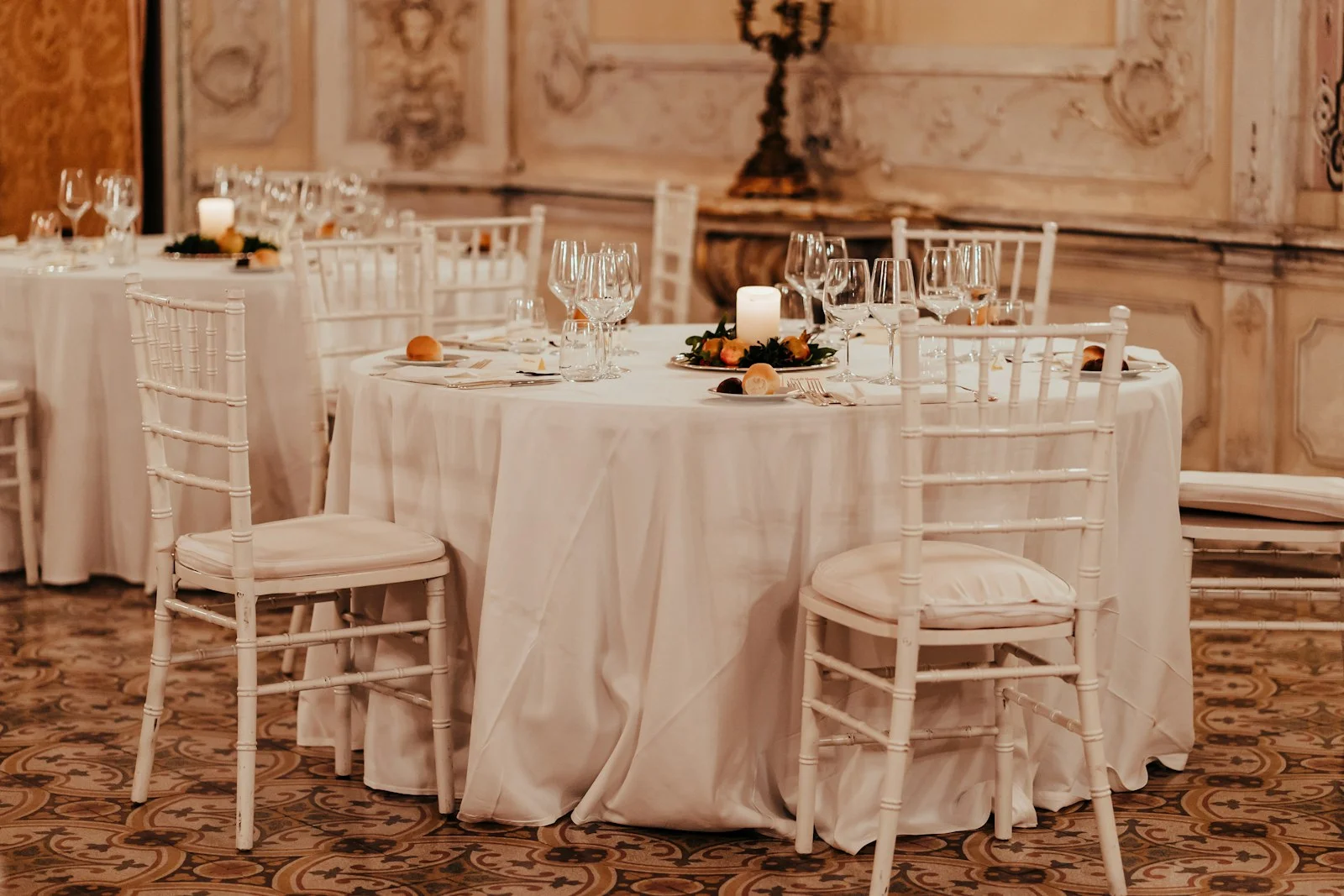


A catering contract sets out what happens when the event changes: fewer guests, a modified menu, a cancellation, a service time that runs over. The quote says what and how much; the contract says who pays for what when the plan shifts. For a small order, the accepted quote, with your terms on the back, is often enough. For a wedding or a large corporate event, a full contract signed before the deposit is a better idea. Here are the clauses to include, followed by a structure you can reuse. Your legal advisor remains the reference for your situation.
Quote, proposal, contract: what’s the difference?
The quote (or proposal) presents the offer: menu, services, price. Once accepted, it already binds both parties. The contract adds the rules of the game: deadlines, deposit, cancellation, responsibilities. Many caterers combine the two: a detailed quote, followed by general terms and conditions the client accepts by signing.
The essential clauses
- **The parties and the event**: who signs, the date, the venue, the service hours, access to the venue.
- **The guest count**: the expected number, the deadline to confirm the final number, and the billing rule (the confirmed number is billed, even if fewer people show up).
- **The menu and allergies**: the chosen menu, the options, and the client’s obligation to declare allergies and dietary restrictions before a given date.
- **Price, deposit and payment schedule**: the total, the deposit at signing, the following instalments and the balance.
- **Changes**: until when the client can change the menu or quantities, and at what rate after that date.
- **Cancellation**: what the client owes depending on the notice given (for example, deposit kept more than 30 days out, a share of the total within that). A written schedule avoids any argument.
- **Staff and equipment**: the number of employees, the scheduled hours, the overtime rate, breakage and loss of rented equipment.
- **Alcohol**: who supplies it, who serves it, and under which permit.
- **Unforeseen circumstances**: what happens if the event cannot take place for a reason beyond anyone’s control.
- **Insurance**: your liability insurance, and the coverage required by the event venue.
Cancellation: leave nothing vague
This is the clause that causes the most disputes, especially with individual clients. Consumer protection rules are not the same in Québec and in France, and they change depending on whether the client is a business or an individual. The best protection remains simple: a clear cancellation schedule, visible before signing, and a deposit collected at confirmation. If in doubt about a specific case, ask your advisor.
Weddings: the extra clauses
A wedding adds a few points: the tasting (included or billed), the seating plan and the deadline to receive it, coordination with the venue and other vendors, vendor meals (photographer, musicians), and the end time of service.
A structure you can reuse
- **Header**: your contact details, the client’s, the quote reference.
- **The event**: date, venue, schedule, expected guest count.
- **The service**: menu, beverages, staff, equipment, delivery (or reference to the attached quote).
- **The price**: total, taxes, deposit, payment schedule.
- **The terms**: guest confirmation, allergies, changes, cancellation, overtime, breakage, alcohol, unforeseen circumstances, insurance.
- **The signatures**: date and signature of both parties, or online acceptance.
Get it signed without waiting
A contract that is printed, signed and then scanned comes back in several days. A quote accepted online, with its terms and the deposit payment in the same email, often comes back the same day. Then the file must follow through: deadlines (guest count, allergies, balance) trigger their own reminders rather than living in a paper calendar.
How CM does it
In Caterer Manager, the proposal is created in the Events module from templates, with your terms, approved by email with a payment link for the deposit, then converted into an order and an invoice without re-entry. E-signature is coming soon. To fill out the quote itself properly, see Catering quote: template, content and best practices.