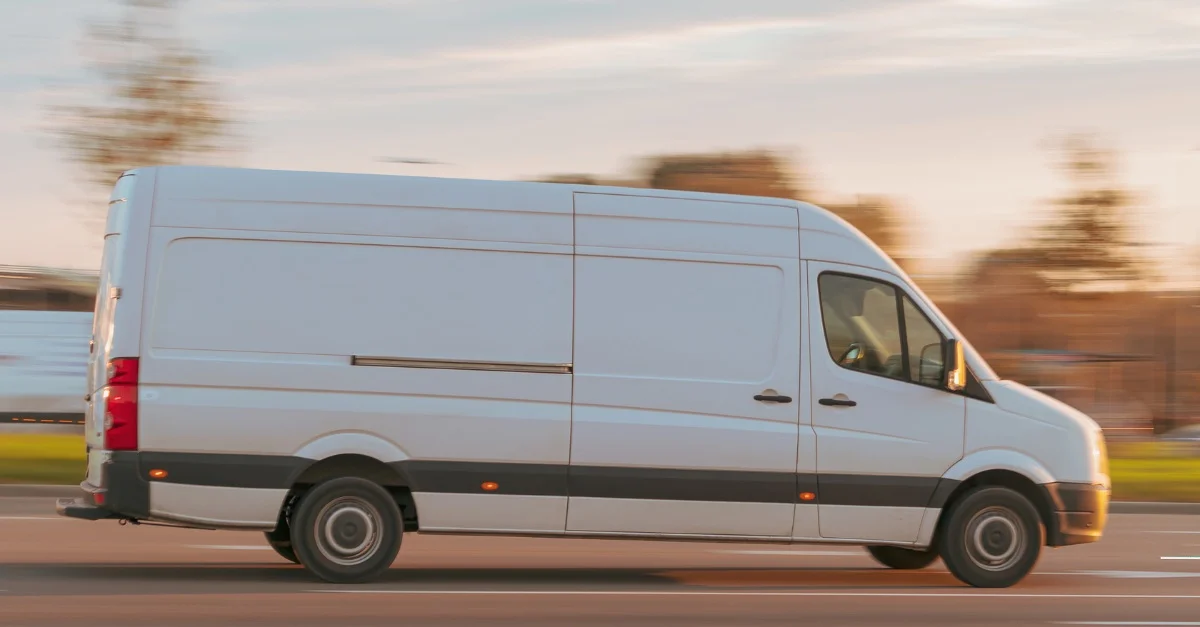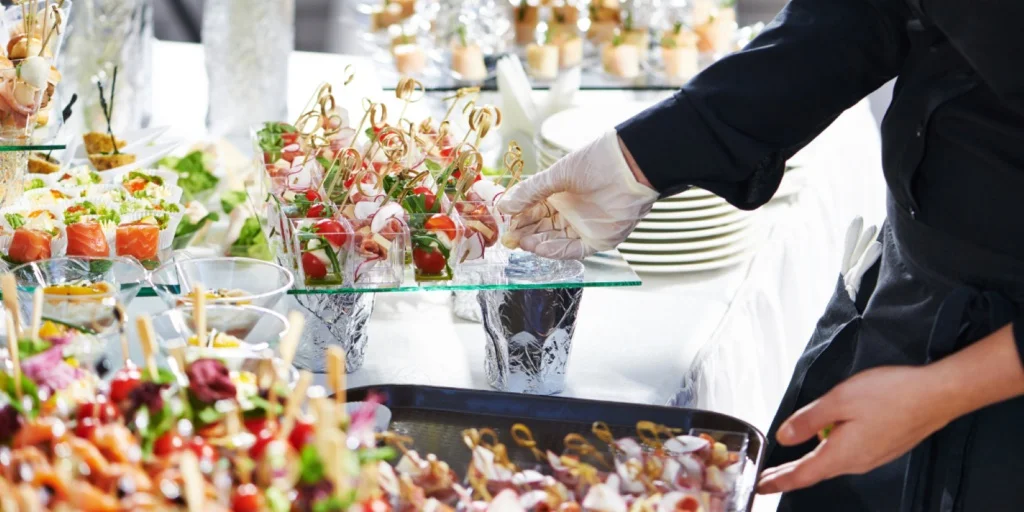

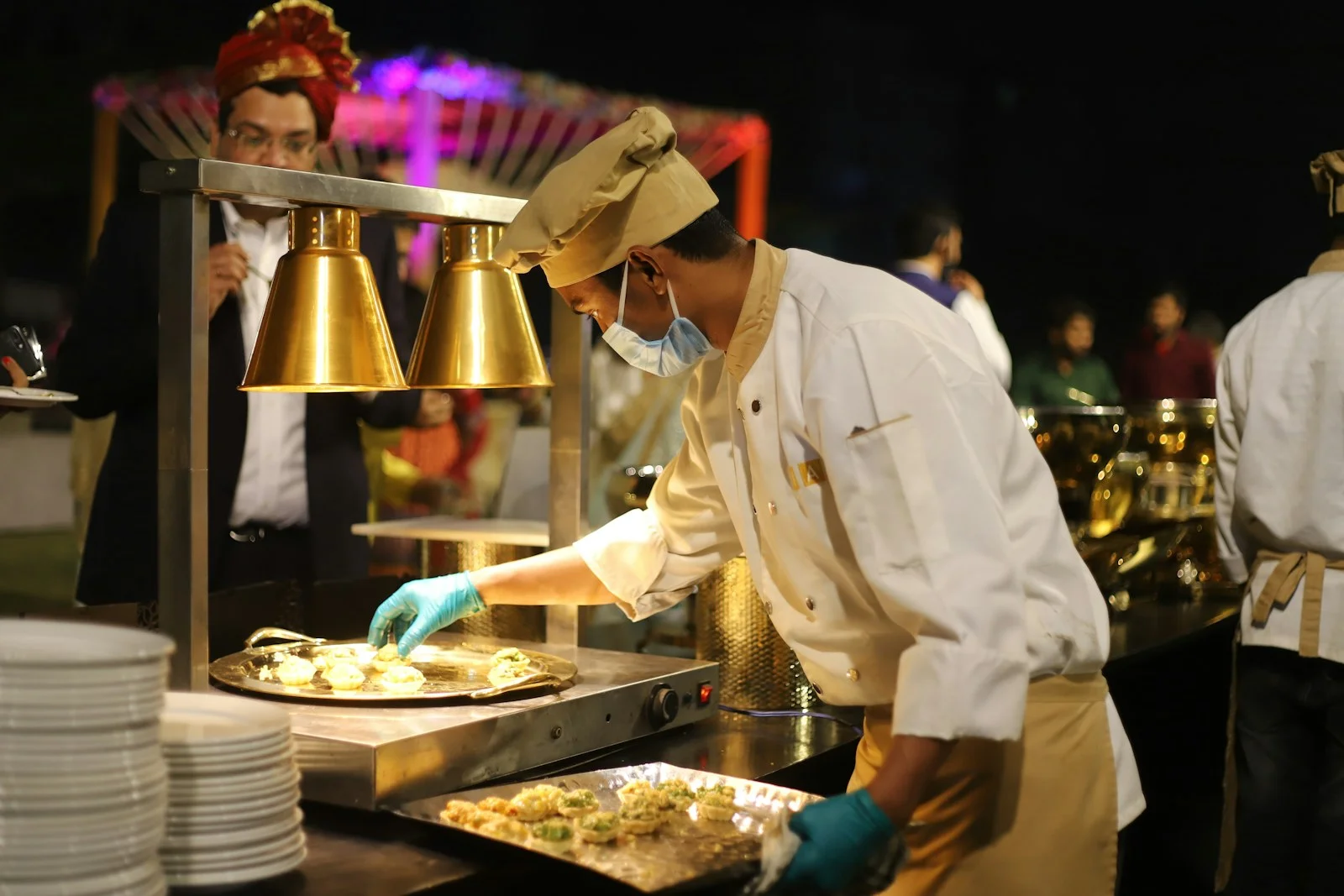
The logistics of a catering event cover everything that happens between the end of production in the kitchen and the return of the last bin: loading, travel, unloading, setup, service, teardown, return and washing. It is also the part least visible to the customer and the most costly in hours. A route sheet per vehicle and per event solves most mishaps. Here is how to build one.
The timeline, backwards
You plan an event from the service time, working backwards:
- **Service**: 6 p.m.
- **Setup complete**: 5:30 p.m., buffet set, hot food held at temperature.
- **Arrival on site**: 4 p.m., depending on access (loading dock, elevator, distance from the parking lot to the room).
- **Departure from the kitchen**: 3:15 p.m., travel time plus a buffer.
- **Loading**: 2:30 p.m., with the loading list checked off.
- **Production complete**: 2 p.m.
Then forwards: teardown at 10 p.m., return at 11 p.m., washing and putting away the next morning. The return time is the one people forget, and the one that creates overtime.
The route sheet
A route sheet per vehicle lists each stop, in order: address, planned arrival time, items to drop off, contact person on site, status. For a day with several deliveries (boxed lunches at noon, a cocktail party in the evening), it keeps a driver from going back to the kitchen between two nearby stops.
It contains:
- the **addresses in route order**, with access instructions;
- the **target time** and the acceptable window for each stop;
- the **contents** per stop: bins, platters, equipment, documents;
- the **on-site contact** and their phone number;
- the **status**: loaded, departed, delivered, returned, updated in real time so the kitchen and sales can see how the day is going.
The loading list
The second document, often scribbled: the list of everything that goes into the vehicle, per event. Food per service, holding equipment, dishes and linens, serving tools, documents (BEO, delivery slips), and the return equipment (empty bins, bags). It is checked off at loading and at return; anything missing on return is noted that same evening, not discovered the following week.
The three classic mishaps
- **Access.** The loading dock is on the other side of the building, the elevator is reserved, the parking lot is 200 metres away. The question “how do we get in?” is asked at the quote stage, not on arrival.
- **Hot food that is no longer hot.** A 40-minute drive plus 30 minutes waiting at the dock. The route sheet plans holding equipment based on the real time, not the ideal trip.
- **The return with nobody there.** Service is over, the team has left, the equipment is still there. The return time and the name of the person responsible are on the route sheet.
Delivery fees
Charging for delivery by postal code or by kilometre avoids the discussion on every quote. Zones and rates are set once; the quote applies them.
How CM does it
The Delivery module of Caterer Manager handles several deliveries and pickup points per event, logistics statuses tracked by the team, delivery reports and fees by postal code or by kilometre, based on confirmed orders. The GT-Delivery app for drivers is coming soon. The BEO generated by CM carries the timeline of the day, from loading to return.